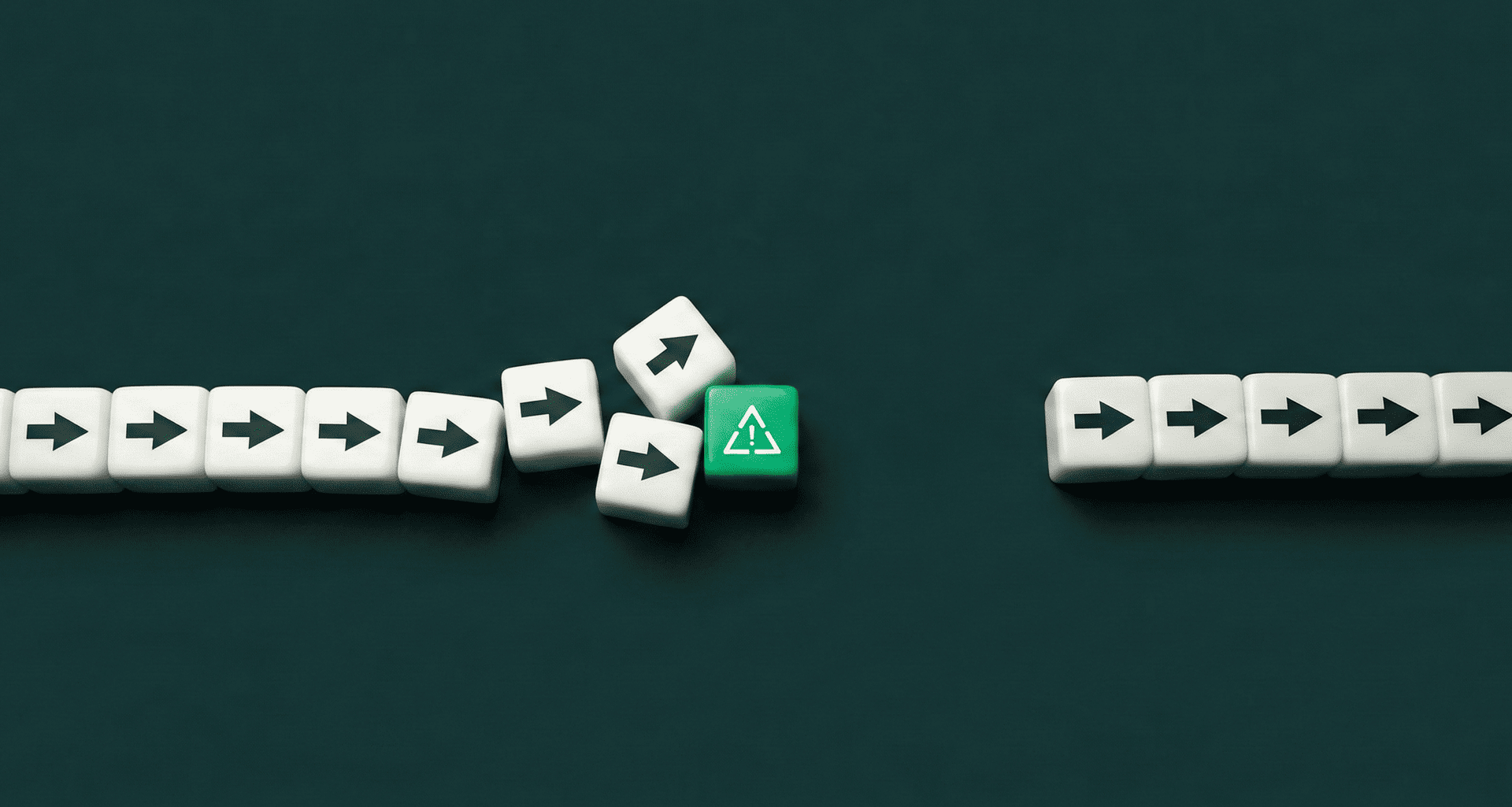
The term disruption has become common across technology, business, education, logistics, and public services. While widely used, its implications are often misunderstood. At its core, disruption refers to change that reshapes established ways of operating and challenges long-standing assumptions about how value is created and delivered.
What Disruption Means
Disruption occurs when new technologies, methods, or operating models fundamentally alter how services are designed, delivered, or governed. Unlike incremental improvement, disruption redefines rules, expectations, and institutional roles.
Common forms of disruption include:
In each case, existing systems are not simply improved. They are overtaken by new ways of working that reset expectations.
Consequences of Disruption
Disruption produces both gains and pressures.
On the positive side, it can deliver:
At the same time, it introduces risk:
For leaders, disruption is neither purely an opportunity nor purely a threat. It rewards adaptability and foresight, while penalizing complacency and delayed response.
What Drives Disruption
Several forces consistently accelerate disruptive change:
Disruption typically emerges where innovation intersects with unmet needs and long-standing practices remain unchallenged.
Responding to Disruption
Disruption rarely arrives without warning. It develops gradually before becoming visible at scale. Organizations that respond early are better positioned to shape outcomes rather than react to them.
Effective responses consistently include:
Disruption itself is not the primary risk. Resistance to change is. Organizations that approach disruption with preparation, curiosity, and discipline are better positioned to convert uncertainty into advantage and remain relevant in an evolving environment.
0
Wednesday - 1 , April , 2026
تواصل عبر الهاتف تواصل عبر الواتساب
